|
|
|
|
Deed March 26, 1867 South Fredericksburgh, Part Lot 1, Concession 2, ½ acre Joshua Cadman &
Catherine M. Cadman [his wife] to Members of the Wesleyan Methodist
Congregation and the Trustees of the
Diamond congregation of the Wesleyan Methodist Church: William F. Diamond, William
F Hall, John Hawley, Baltus Diamond,
Henry Rikley, Joshua Cadman, James A. Diamond ½ acre – sum of 1.00 Commencing at the East side of
Number one road near a cedar tree and at a distance of one
hundred and ten feet east; thence north one hundred and nineteen feet; thence west one hundred and
ten feet to number one road; thence south one hundred and
nineteen feet to place of beginning. |
|
|
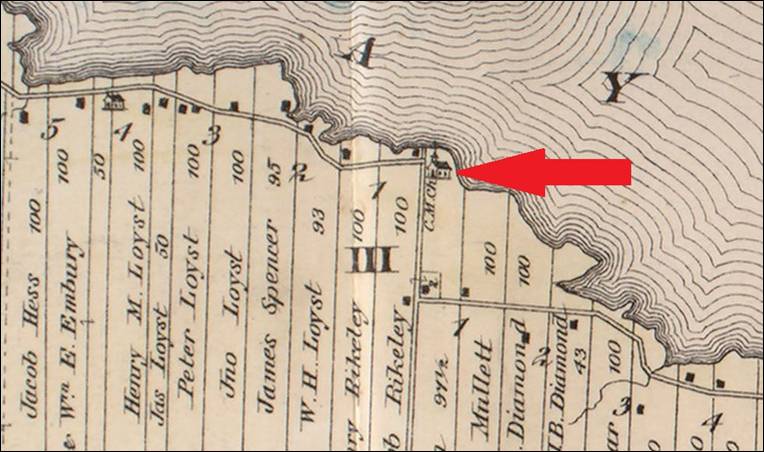
1878 Meacham’s Atlas; Site of Hayburn Church |
|
|
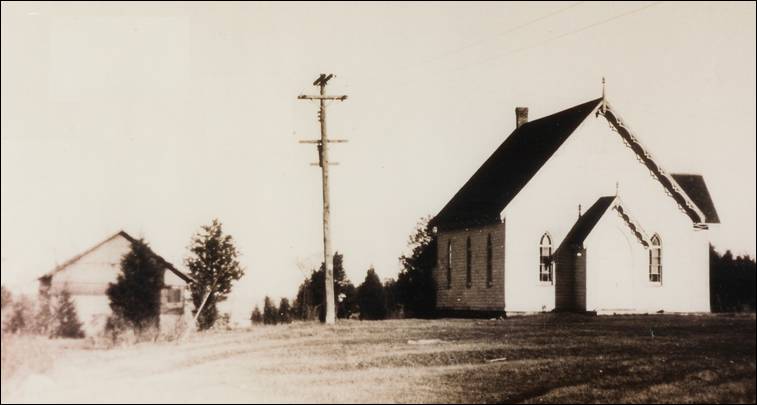
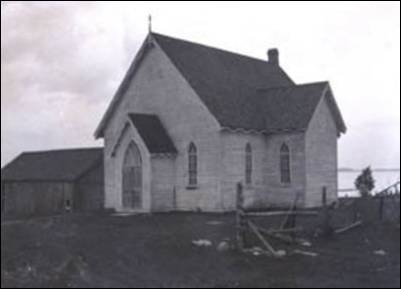
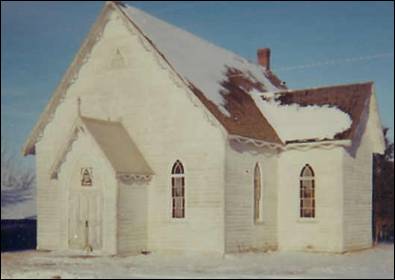
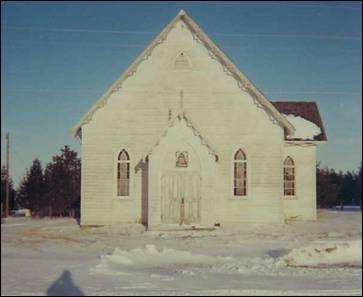
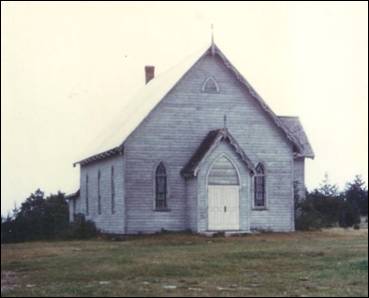
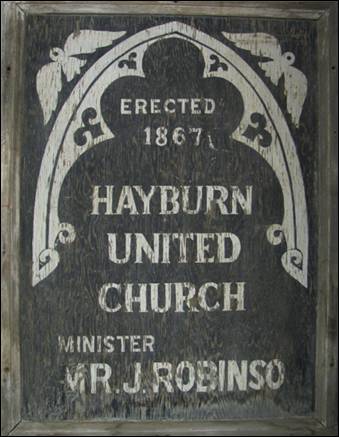
The Hayburn Church Often Referred to as “Number 1 Church” It is said
that the church was erected shortly after the land had been transferred to
the Church Trustees by Joshua Cadman
in 1867. “The
Hayburn United Church on the Adolphsutown Charge, which has been dismantled
and sold, was a beautiful church built in 1867 and situated in a lovely spot
on the shores of Hay Bay. It was of timber construction with clapbords on the
outside. The first clergymen were three circuit riders: Edward Barroff,
William Edwards and W.W. Miller. The original buliders were Messrs Diamond, Peterson,
Dorland and Platt. The pulpit
was on the east side of the church, but in 1898 some changes and repairs were
made and the pulpit moved to an alcove on the south side. The building
committee at that time were Messrs. Henry Rikley, James L. Loyst, James T. Loyst,
John White, George Spencer and Sheppard Mullett. The ladies
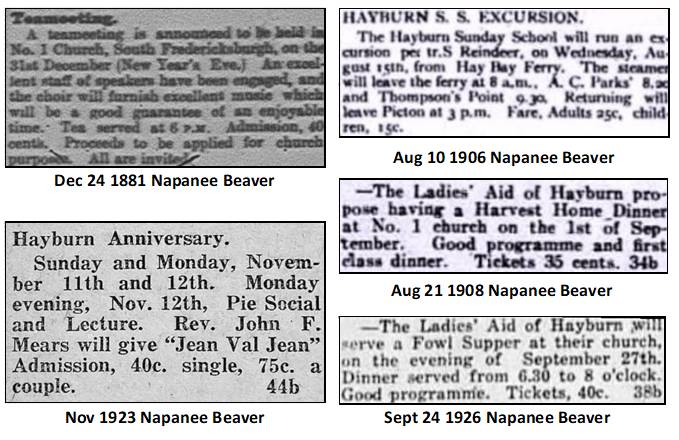
of the neighbourhood formed an organization about the year 1895 called the Ladies
Aid. They were responsible for helping with parsonage requirements and charitable
donations. Later the name was changed to Women’s Association and through the
years tea meetings, social evenings and potluck suppers were held to raise
money for numerous projects. In 1962, the organization was changed in name to
United Church Women or U.C.W.” Written history of Hayburn Church “A frame,
white painted clapboard Church was built and also sheds for the horses which
drew the vehicles of the congregation. The interior layout of the church
building was unique, with the pulpit and the choir area in an alcove on the south
side and with the pews facing the pulpit in
semi-circular order. The ceiling was panelled in separate sections,
each about 10 or 12 feet square with adjoining squares in different patterns.
The boards comprising the squares were laid north and south or east and west
or diagonally in two ways, making a very attractive design.” ‘Two Centuries in Hayburn’ by Donald Hough “Down on
the corner at the Bay was Hayburn Methodist Church. It was beautiful inside. The
ceiling was quite unique – varnished narrow boards, laid in squares. The pews
were arranged in curves from side to side. Everyone seemed to sit in the
front. There was a box stove in the corner and a kitchen to the east with a
wood stove. Also to the north were sheds where horses were tied during the
service. Years later these sheds were used for suppers, teas, etc. In winter
I remember my Dad used to go to the Church and build a fire in the stove on
Sunday morning. He would sit there until service time to get the Church warm.
Then, only about ten people came! I remember the preacher walked from Conway
at times. When I became old enough (maybe nine), I built the fire and stayed
until service time. Most of the people walked to church at that time.” ‘Hayburn 1911’ Ruth M. Dickson In April of
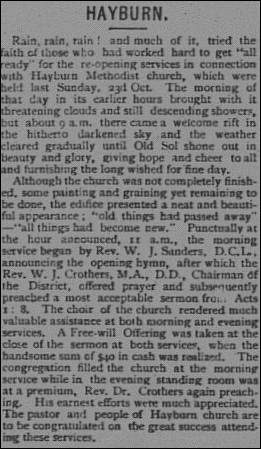
1898, S. Mullett was receiving tenders for the ‘rebuilding’ of the Methodist
Church at Hayburn. The Hayburn
news of Sept 2 1898 mentions that the “new church being rapidly pushed
forward and Mr. McDonald, who has the contract, is making a very successful
job.” The church
was ‘entirely renovated’ and re-opened October 23 of the same year. It was
announced the Rev. W.J. Crothers, M.A., D.D., chairman of the Napanee
district would preach at 11 a.m. and 7 p.m and that a free-will offering
(silver) would be taken at both services.
October 28 1898, Napanee Beaver Like many small
churches, Hayburn was closed by the United Church Presbytery in 1967, ironically
on its 100th anniversary. The lot and
building were sold the following year and the church was dismantled. |
|
|
1926 |
1966 |
|
1966 |
1967 |
|
|
|
|
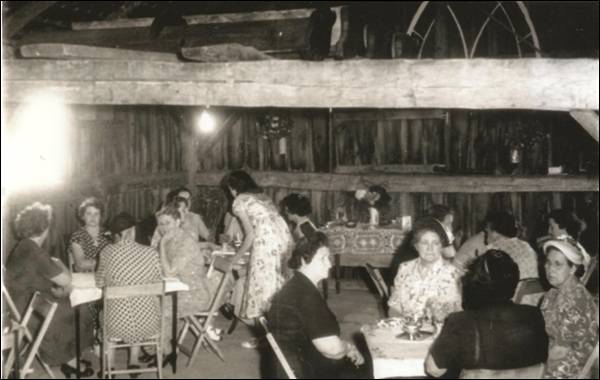
A social event held at the old sheds of Hayburn Church. At left table (L-R): Annis Wagar, Evelyn Smith, UNK, Miriam Wagar, Emma
Dickson Right foreground table (L-R)
Louise Sills, Ruby Loyst, Georgie Loyst. |
|
|
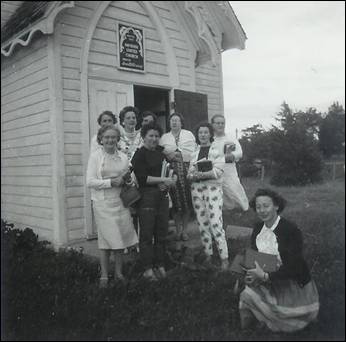
Roving Choir at Hayburn 1961 (In Front): Joan Morton
(First Row): Flo Fletcher, Leona Garrison, Jean Haight (Back
Row): Betty Ruttan, Doreen Magee, June Dickson, Miriam
Wagar, Annis Wagar |
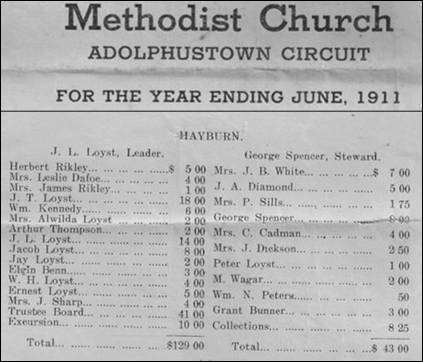
Hayburn Methodist Church Report for 1911 |
|
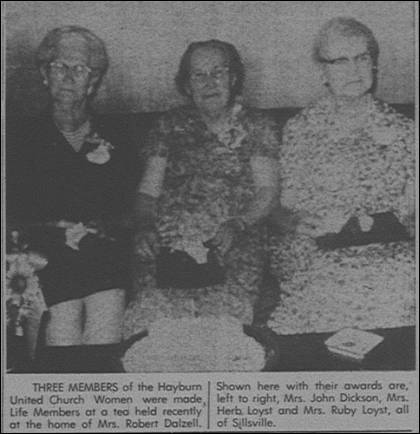
July 24 1963 Napanee Beaver |
The Hayburn Church Sign |